
About Me
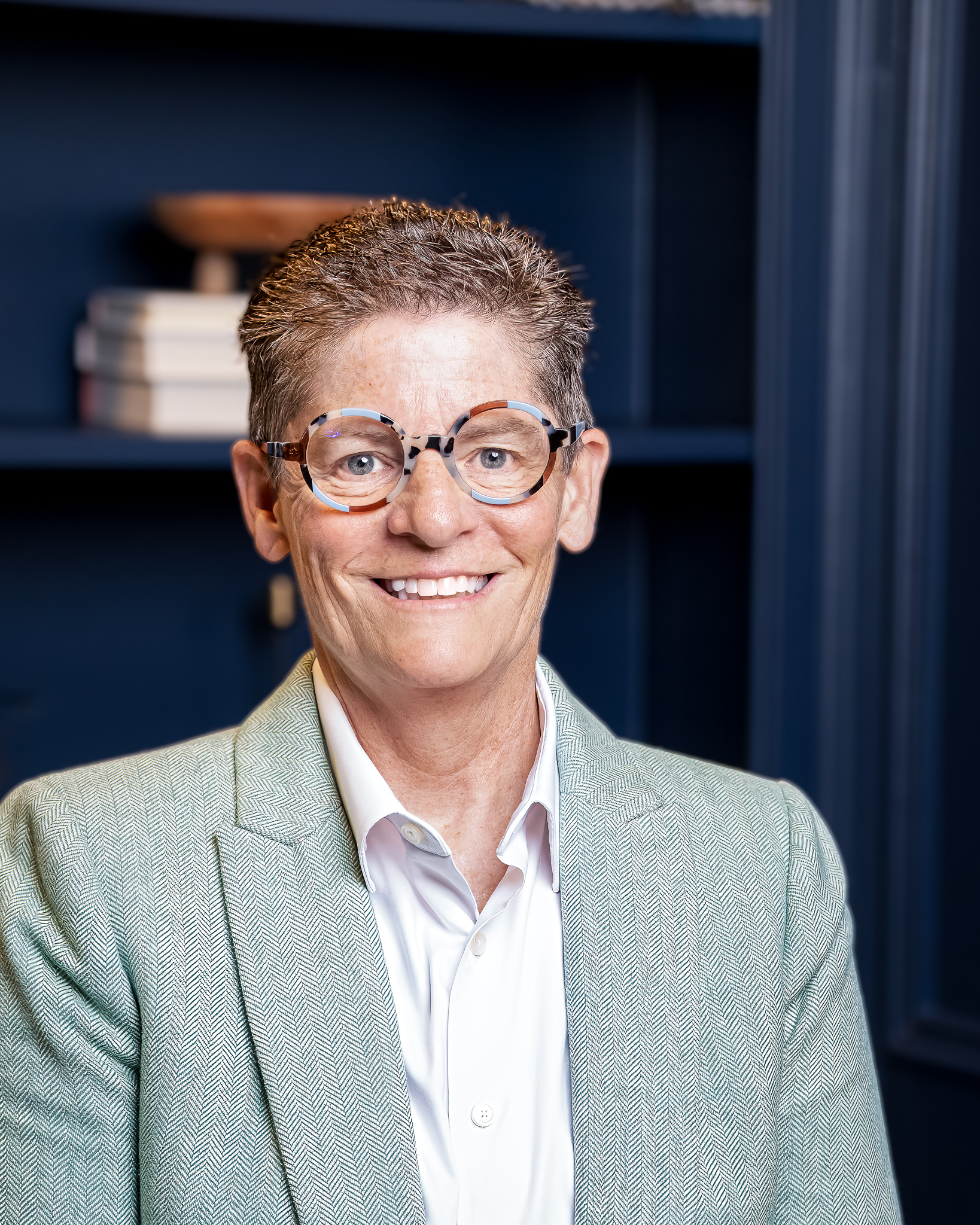
DR. Kim Venable
Physician
Dr. Venable is a double board certified psychiatrist specializing in general and addiction psychiatry. She completed her general psychiatry residency at the Medical College of Georgia in Augusta, GA and her addiction fellowship at Emory University in Atlanta, GA.
Her clinical interests include mood disorders and addiction treatment. Her passion is to help those struggling with addiction live a healthy life in recovery.
She previously worked as a staff psychiatrist at Talbott Recovery Center in Atlanta, GA. Prior to working at Talbott Recovery, she worked as a staff psychiatrist at Skyland Trail, in Atlanta, GA.
Prior to medical school, she worked as an emergency room physician assistant (PA) for 8 years and a paramedic for 12 years prior to attending PA school.
She is a member of the American Psychiatric Association (APA), Georgia Psychiatric Physicians Association (GPPA), American Academy of Addiction Psychiatry (AAAP), American Society of Addiction Medicine (ASAM), Fellow of the American Society of Addiction Medicine (FASAM) and HIMS Certified.
Certifications:
- Diplomate of the American Board of Psychiatry and Neurology
- Board certified in General Psychiatry
- Board certified in Addiction Psychiatry
Organizations:
- Member of the American Psychiatric Association
- Member of the Georgia Psychiatric Physicians Association
- Member of the American Society of Addiction Medicine
- Member of the American Academy of Addiction Psychiatry
My Experience:
- ASAM
- GSAM
- APA
- GPPA
- Board Certified General and Addiction Psychiatrist, ABP
- Fellow of the American Society of Addiction Medicine (FASAM)
- HIMS Certified
My Education:
- General psychiatry residency at the Medical College of Georgia in Augusta, GA
- Addiction fellowship at Emory University in Atlanta, GA
As a psychiatrist, taking a person-centered approach is at the core of how I work with patients. I believe treatment is most effective when it’s guided by the patient’s own values, beliefs, and preferences. Each person is the expert in their own life, and my role is not to dictate or impose solutions. Instead, I aim to create a space where patients feel empowered to explore their concerns and make decisions that reflect who they are and what matters to them.
A big part of this approach is shared decision-making. This means working together with my patients to set goals, discuss treatment options, and figure out the best path forward. When patients have a say in their treatment, they feel more engaged and in control of the process. Whether we’re deciding on therapeutic techniques, addressing specific challenges, or planning long-term goals, their input is key to making therapy work. This partnership builds trust and helps create a sense of mutual respect and understanding.
Mental health treatment is never a one-size-fits-all approach. Every patient brings their own life experiences, culture, and values to treatment, all of which shape how they view their mental health and overall wellness. By taking the time to understand what’s important to each patient, I’m able to tailor interventions that feel right for them and fit within their identity and goals.
A person-centered approach also means recognizing that people’s values and goals can change over time. Treatment is a dynamic process, and as patients grow and evolve, their needs and focus often shift. Regularly checking in on their goals helps ensure that treatment stays relevant and continues to meet them where they are in their life at that moment. This ongoing dialogue allows us to adjust the direction of treatment as needed, keeping the process flexible and responsive.
It’s also important to me that patients can take what they learn in treatment and apply it to their everyday lives. Whether they’re working through issues of self-esteem, making career decisions, or navigating relationships, the work we do in treatment is always grounded in their personal experiences and desires for change. By focusing on what they value, patients are more likely to make lasting changes that feel authentic to who they are.
Finally, creating a safe, nonjudgmental environment is crucial. Patients need to feel that they can open up about their most personal concerns without fear of judgment. When they know their values are respected and their preferences are at the heart of the process, they’re more likely to fully engage in treatment. This level of trust is essential for real psychological growth and well-being.

Health Care Professionals
An independent medical evaluation (IME) is an assessment performed by a physician who does not treat the patient. Independent medical evaluators are retained by the requesting party.
Aviation Pilots & Student Pilots
The HIMS Psychiatric Evaluation is thorough and designed to assess the pilot’s current mental and emotional state, as well as their history of substance use or psychiatric treatment.
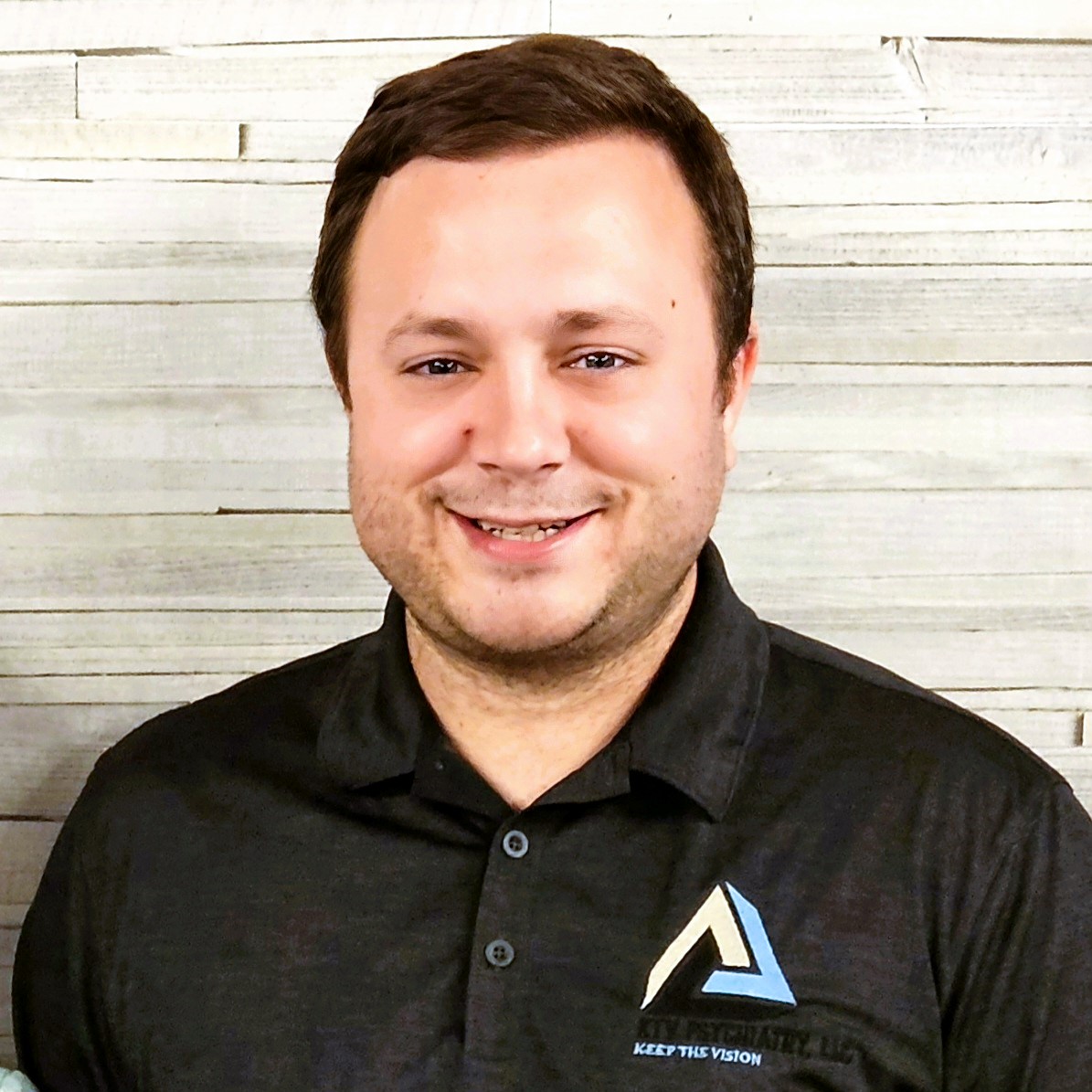
Austin Arvidson
Assistant
Testimonials
Contact Me
Ask a question or book an appointment below. For emergencies call 911 or visit your nearest hospital.
678-487-8036
678-550-7849
The Offices at 2470
2470 Windy Hill Road, SE Suite 131 Marietta, GA 30067